Understanding the Role of AI in Image Editing
Artificial Intelligence (AI) has revolutionized many industries, and image editing is no exception. As technology advances, the capabilities of AI image editors have expanded, allowing users to enhance their creative projects in unprecedented ways. These tools serve as assistants to artists, photographers, and designers, streamlining tedious processes while providing innovative solutions. When exploring options, ai image editor tools can offer comprehensive insights into the latest editing trends and functionalities.
What is an AI Image Editor?
An AI image editor is a software tool that utilizes artificial intelligence algorithms to enhance, modify, or create images. Unlike traditional image editing software that relies heavily on manual input and user expertise, AI-powered editors automate many functions, such as color correction, object removal, background changes, and even style transfers. These tools can analyze images and apply adjustments based on learned patterns and user preferences. This makes editing more accessible to those who may lack extensive training in graphic design.
How Does AI Improve the Editing Process?
AI enhances the image editing process in several ways:
- Automation of Repetitive Tasks: Tasks like cropping, straightening, and color adjustments can be automated, significantly reducing the time spent on these mundane activities.
- Smart Enhancements: AI tools can assess the content of an image and suggest enhancements that would improve its overall quality, such as sharpening the focus or adjusting brightness levels dynamically.
- Learning Preferences: Many AI image editors learn from user interactions, allowing them to tailor suggestions and optimizations based on individual editing styles and preferences.
Common Misconceptions About AI Image Editing
Despite its advantages, there are several misconceptions surrounding AI image editing:
- AI Replaces Creativity: Many believe that AI will replace human creativity in art and design, but in reality, it enhances creative processes, enabling artists to focus on conceptual work rather than technical limitations.
- AI is Only for Professionals: Some think AI image editors are too complex for beginners, but many user-friendly options are available that cater to novice editors.
- AI Cannot Understand Context: While AI lacks emotional understanding, it can analyze imagery data effectively, applying contextual changes that may not have been considered by a human editor.
Benefits of Using AI Image Editors for Creatives
The integration of AI into image editing brings substantial benefits for creatives in various fields, including photography, graphic design, web design, and content creation.
Streamlining Workflow and Saving Time
Time is a crucial commodity for creatives, and AI image editors can drastically speed up workflows. By automating repetitive tasks, users can spend less time on mundane edits and more time on creative exploration. The ability to quickly produce quality images allows for greater efficiency in meeting deadlines and client demands.
Enhancing Creative Possibilities with Smart Tools
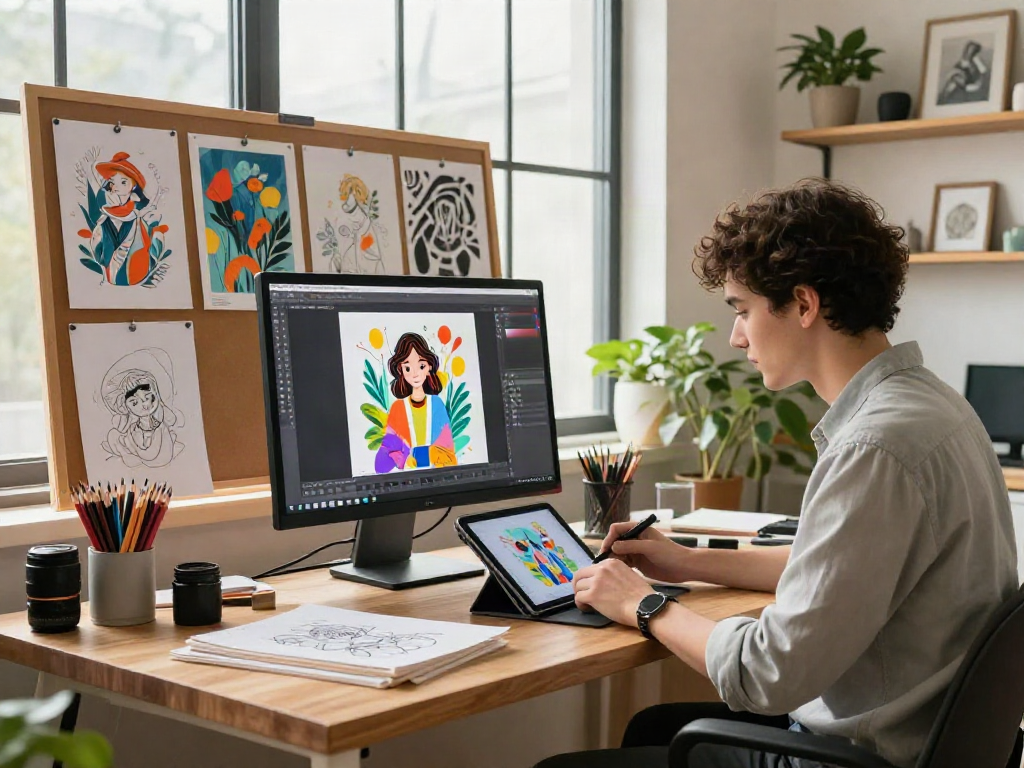
AI image editors often come with advanced features such as intelligent background removal, style transfers, and automated retouching, which broaden creative possibilities. Tools such as Adobe Photoshop's AI capabilities, for example, allow artists to experiment with various styles and techniques without extensive technical skills, enabling a more fluid and experimental creative process.
Cost-Effectiveness Compared to Traditional Methods
Traditional image editing often requires expensive software and extensive training to leverage its features effectively. AI image editors can provide similar, if not superior, functionality at a fraction of the cost. Many AI tools operate on subscription models, bringing high-end capabilities within reach of individual artists and small businesses.
Best Practices for Integrating AI Image Editors into Your Workflow
To make the most of AI image editors, consider the following best practices:
Choosing the Right AI Image Editor for Your Needs
With numerous options available, it's essential to evaluate your specific needs before selecting an AI image editor. Beginners may prefer simple, intuitive tools, while advanced users might seek more complex software that offers a broader range of features. Assess the functionalities that align with your editing goals and project demands.
Combining AI Tools with Traditional Techniques
While AI offers many advantages, the most effective approach often involves blending AI capabilities with traditional editing techniques. This hybrid method allows creatives to maintain control over artistic details while leveraging AI’s speed and efficiency. For example, using AI to handle initial adjustments followed by manual refinements can yield the best results.
Measuring Success and Adjusting Your Approach
Using AI image editors effectively requires monitoring your progress and outcomes. By setting clear goals for your projects and evaluating the results, you can adjust your techniques and improve your workflow continuously. Regularly seeking feedback from peers can also provide valuable insights into how well your editing strategies are performing.
Real-World Applications of AI Image Editors in 2026
As AI technology continues to evolve, its applications in image editing become increasingly significant. Here are some notable trends:
Case Studies of Successful Digital Artists
Many digital artists have embraced AI image editing tools to enhance their work. For instance, a renowned photographer began using AI to streamline editing processes, resulting in quicker project turnarounds and allowing for more artistic experimentation with their portfolio. Artists who leverage AI tools often report a dramatic increase in productivity.
Industry Trends Shaping the Future of Image Editing
In 2026, we anticipate further integration of AI in various creative industries. Trends indicate a shift toward more personalized AI experiences, where tools adapt specifically to user preferences and styles. With the rise of social media and mobile content, the demand for quick, high-quality image editing will continue to grow.
Innovative Features to Look for in AI Image Editors
As you explore AI image editors, look for features that enhance usability and creativity. Notable innovations include:
- Real-time Collaboration: Tools that facilitate real-time editing among team members can improve workflow in collaborative projects.
- Advanced Filters and Effects: Look for editors that offer a variety of styles and effects powered by machine learning algorithms.
- Cloud Integration: Seamless integration with cloud storage can help in managing large files and accessing them from various devices.
Future Trends in AI Image Editing
The future of AI image editing is bright, with innovations on the horizon that will further enhance user experience and capabilities.
Emerging Technologies and Their Potential Impact
New technologies such as augmented reality (AR) and virtual reality (VR) are beginning to intersect with AI image editing. These technologies could offer immersive editing experiences, where users can manipulate images in three-dimensional space, opening up new realms of creativity.
Predictions for the Next Five Years
Looking ahead, AI image editors are expected to become even more sophisticated, with predictive analytics that can suggest edits before the user even realizes they're needed. Enhanced algorithms will likely continue to improve accuracy and capabilities, making these tools indispensable for both amateurs and professionals alike.
Advice from Industry Experts on Staying Ahead
To remain competitive in the evolving landscape of image editing, industry experts recommend staying informed about new developments and continuously honing your skills. Engage with online communities, participate in webinars, and explore new AI tools as they become available to ensure you leverage the latest advancements.
What are the limitations of AI Image Editors?
While AI image editors provide a wealth of benefits, they also have limitations. For instance, they may struggle with nuanced artistic choices that require human intuition or emotional intelligence. Additionally, reliance on automated processes can sometimes lead to a lack of originality in creative work, as users may become overly dependent on suggested edits.
Can AI Image Editors replace traditional editing tools?
AI image editors are unlikely to fully replace traditional editing tools; instead, they will complement them. The blend of technology and human creativity will always be essential in producing high-quality, artistic results.
What skills do I need to use an AI Image Editor effectively?
To use an AI image editor effectively, users should have a basic understanding of photography principles, such as composition and lighting. Familiarity with traditional image editing concepts will also help in making the most of AI tools. Additionally, being open to experimenting with the software can enhance the overall editing experience.
How to choose the best AI Image Editor for beginners?
For beginners, the best AI image editor is one that is user-friendly, offers guided tutorials, and has a supportive community. Look for tools that provide templates and easy-to-navigate interfaces, enabling newcomers to learn quickly and develop their skills without feeling overwhelmed.
Are AI Image Editors suitable for professional artists?
Yes, AI image editors can be highly beneficial for professional artists. They enable quicker workflows, allow for experimentation, and help manage large volumes of work efficiently. Many professionals are already incorporating AI tools into their creative processes to maintain a competitive edge.